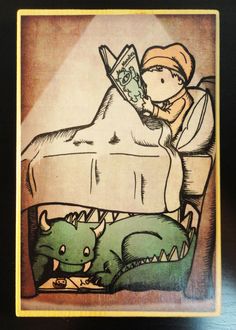
Monsters under the bed
The representation and simulation of rape has existed in many cultures, from the time humans first learned to make art. Sadly, none of these thousands of years of representation and simulation have done anything at all to prevent sexual assault.
So it is with some cynicism that I read artist Sophia Hewson’s explanation of her latest work as an attempt to bring the rape of women to our attention in the hope of subverting patriarchal notions of female victimisation and self-sacrifice, thus turning the trauma of rape into the liberation of empowerment.
While it is true that a raped woman need not remain forever a victim, and that the recovery of empowerment post trauma is indeed a real possibility, I’m at a loss as to how a video of a simulated “rape” scene will in any way assist the difficult progression from victim to empowered survivor.
Titled Untitled (“are you ok bob?”), the work is a video Hewson “arranged and choreographed” featuring herself and a male stranger she invited to her home to “rape” her on camera.
Immediately we note the absence of rape criteria: this is a pre-arranged consensual act, not a sexual assault.
All that is seen of the “perpetrator” are his hands and arms: the camera remains focused on Hewson’s face throughout the act. In itself this focus is, according to Hewson, a transgressive act: raped women are frequently depicted with eyes downcast, in what is presumed to be avoidance, and learned shame. (It is also an effort to protect oneself from being further violated by the gaze of others at a time of great vulnerability, among other things). Hewson claims she is instead “looking back at us from the experience” and indeed she is. However, the experience from which she is looking back is one of consensual sex, not rape.
Hewson did not enjoy making the video, she states. Not enjoying consensual sex with a stranger you’ve choreographed to “rape” you differs considerably from experiencing an act of sexual assault.
I confess myself entirely dumbfounded by this latest feminist effort to expose the damage done to raped women through a depiction of not-rape that effaces reality. I think I ought to be angry, but I’m too baffled for anger. Who is the consumer for whom this work is created? Is it intended for the titillation of the safe? Is it rape porn? Is it as ethically bereft as poverty porn or disaster porn?
Is it co-opting suffering for personal gain? For the delicious thrill of not being one of the violated, for the guilty pleasure of being privileged enough to only pretend it’s happening, like children frighten themselves by imagining monsters under the bed, just for the euphoric sensation of discovering there are none?
For mine, this work marks an alarming low in the discourse of sexual assault. It is bereft of context. Its raison d’être is as a simulation of rape, entirely gratuitous. It will be viewed with appalled fascination, no doubt by many, but what it will do for women and our unenviable position in the patriarchy is not apparent to me.






 No Place For Sheep
Recent Comments